English is the global language of the internet. Most blogs, magazines, and websites publish their content in English because it reaches a wider audience. But writers from Pakistan and other Urdu-speaking communities often want their writing to reflect their culture, traditions, and identity.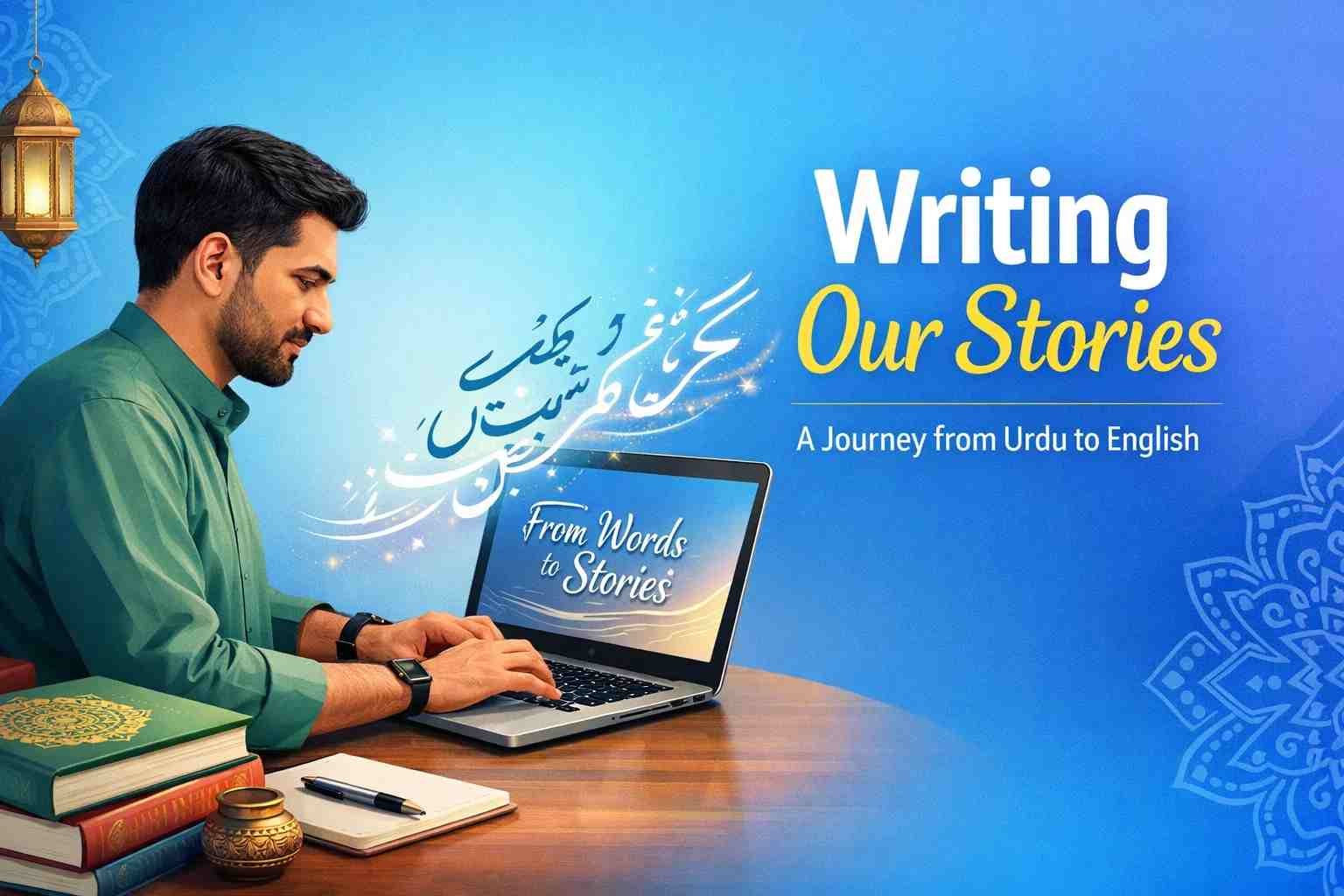
That is where bilingual writing becomes powerful.
When you use Urdu culture in English article writing, your content becomes more authentic, more engaging, and more memorable. Readers do not just read information — they experience a story rooted in real life.
Many successful writers do this naturally. They write in English but bring in cultural references, traditions, and storytelling styles from their own background.
The result is writing that feels personal, meaningful, and unique.
This guide explains how you can control and use Urdu culture in English article writing while still keeping your content clear, professional, and readable for international audiences.
Why Cultural Identity Makes Writing More Powerful
Writers often think English writing must follow only Western styles. In reality, the most engaging articles often include local voice and cultural perspective.
Readers enjoy learning about different cultures through stories, examples, and everyday experiences.
When Urdu culture appears in English writing, it adds depth to the article.
The rise of bilingual writing online
The internet has changed how writing works. Today writers from every country publish their ideas online.
Bloggers from Pakistan, India, Nigeria, and many other regions write in English while sharing their own cultural background.
This style is called bilingual cultural writing.
Examples include:
- Pakistani bloggers explaining traditional food
- Writers describing Ramadan experiences
- Articles about family traditions
- Stories about local festivals
Even large platforms like Medium and WordPress encourage writers to bring their cultural perspective into English articles.
Why global readers enjoy local storytelling
People are naturally curious about cultures different from their own.
When an article explains something like Eid traditions, desi weddings, or street food culture, international readers find it fascinating.
Cultural writing helps readers:
- understand new traditions
- see real-life experiences
- connect emotionally with the writer
Instead of sounding generic, the article feels alive and authentic.
Understanding Urdu Culture Before Writing in English
Before using culture in writing, a writer must understand what culture really means.
Culture is not only language. It includes traditions, behaviors, values, and daily life experiences.
What culture means in Urdu society
Urdu culture reflects many aspects of South Asian life, including:
- family relationships
- respect for elders
- hospitality
- storytelling traditions
- poetry and literature
- religious festivals
These cultural elements can easily appear in English articles through stories, examples, or expressions.
Common cultural elements used in writing
Writers often include small cultural details that make writing more interesting.
Examples include:
| Cultural Element | Example in Writing |
|---|---|
| Food traditions | Describing chai gatherings |
| Festivals | Explaining Eid celebrations |
| Family structure | Joint family lifestyle |
| Poetry | References to Urdu poets |
| Hospitality | Guests treated like family |
These details make articles richer and more human.
The Smart Way to Blend Urdu Culture Into English Articles
Using Urdu culture in English writing does not mean translating every sentence directly from Urdu.
Instead, writers should translate ideas, emotions, and experiences.
Using cultural expressions naturally
Some Urdu words carry meanings that English cannot fully express.
Words like:
- Mehmaan Nawazi
- Barakah
- Dua
- Rizq
Instead of forcing translation, writers can include the word and explain it.
Example:
In many Pakistani homes, guests are treated with great Mehmaan Nawazi, a cultural tradition of warm hospitality.
This keeps cultural authenticity while helping readers understand the meaning.
Translating ideas instead of words
Direct translation often sounds unnatural.
For example:
Urdu thinking:
Dil se likhna
Instead of translating word-for-word, write the idea:
Write with sincerity and emotion.
Good writing focuses on meaning, not literal translation.
Writing English Articles That Still Feel Pakistani
A strong article can be written in English while still reflecting Pakistani identity.
The key is storytelling.
Storytelling styles used in Urdu literature
Urdu literature often uses:
- emotional storytelling
- poetic descriptions
- moral lessons
- relatable everyday stories
These styles can easily appear in English articles.
Example structure:
- Start with a personal story
- Explain the cultural experience
- Connect it to a broader message
This technique makes articles more engaging.
Adding local examples readers understand
Readers connect with real experiences.
Instead of writing general information, writers can include examples like:
- chai conversations in the evening
- Ramadan family dinners
- crowded markets during Eid shopping
- school experiences in Pakistani cities
These details create visual storytelling.
Practical Structure for Writing Magazine Articles in English
Many writers ask: How to write an article for a magazine in English?
Professional writers usually follow a simple structure.
A simple framework for writing
| Section | Purpose |
|---|---|
| Opening hook | Capture attention |
| Context | Explain the topic |
| Cultural insight | Share experience |
| Examples | Show real-life situations |
| Key lesson | Explain the message |
This structure works well for:
- blogs
- magazines
- opinion articles
- storytelling pieces
Common Mistakes When Mixing Urdu and English Writing
While cultural writing can be powerful, some mistakes can weaken the article.
Over-translating phrases
Direct translation often creates awkward sentences.
Example mistake:
I am doing effort.
Correct English:
I am trying my best.
Losing cultural meaning
Sometimes writers remove cultural elements to sound more “international.”
This can make writing feel generic.
The goal should be balance:
- clear English
- meaningful cultural references
Simple Techniques Professional Writers Use
Experienced writers know how to combine clarity and culture.
Writing for both local and global readers
A good article works for two audiences:
Local readers understand cultural references.
Global readers learn something new.
To achieve this balance:
- explain unfamiliar terms
- avoid complex translations
- keep language simple
Keeping language clear and natural
Simple English works best for online readers.
Good writing usually follows these habits:
- short sentences
- clear explanations
- real-life examples
- conversational tone
Readers stay longer when content is easy to understand.
Cultural Words That Work Well Inside English Articles
Sometimes the best option is to keep certain Urdu words in the article.
These words often carry emotional meaning.
Examples writers often use
| Urdu Word | Meaning |
|---|---|
| Dua | prayer or blessing |
| Rizq | sustenance provided by God |
| Mehfil | social gathering |
| Barakah | spiritual blessing |
Using these words occasionally adds authenticity.
When to translate cultural words
Writers should translate when:
- the audience is international
- the word may confuse readers
- the meaning is easy to explain
Balance is always the goal.
Turning Cultural Knowledge Into Stronger Articles
Writers often search for ways to stand out online.
One powerful method is using cultural storytelling.
When writers include cultural experiences, their content becomes:
- more memorable
- more personal
- more authentic
Readers remember stories more than facts.
For example:
An article about food becomes more interesting when the writer describes family dinners during Ramadan.
An article about community becomes stronger when it shows how neighbors help each other during festivals.
These cultural insights create emotional connection.
What This Means for New Writers
For new writers, culture is not a limitation. It is an advantage.
English is a global language, but every writer brings a different voice.
Writers who combine clear English with meaningful cultural storytelling often produce the most engaging articles.
If you want to improve your writing:
- observe your culture
- share real experiences
- write with honesty
- keep language simple
Your background can make your writing unique.
Instead of hiding cultural identity, writers should use it to create stronger, more authentic content.
Frequently Asked Questions
What is the use of article in Urdu?
An article in Urdu writing serves the same purpose as in English. It explains ideas, shares opinions, or provides information about a topic. Urdu articles often include storytelling, emotional expression, and cultural references. Writers use articles to communicate thoughts clearly and connect with readers on social, educational, or cultural issues.
What is culture in Urdu?
Culture in Urdu is commonly translated as “Saqafat” (ثقافت). It refers to traditions, values, customs, language, and social behaviors shared by a community. Urdu culture includes poetry, hospitality, family traditions, festivals, and storytelling. These cultural elements often appear in writing, literature, and everyday conversations.
What is the proper way to write in Urdu?
Writing in Urdu usually follows a structured flow with emotional expression and descriptive language. Writers focus on clarity, meaningful vocabulary, and storytelling. Urdu writing often includes poetic tone, cultural references, and moral lessons. Good Urdu writing also respects grammar, sentence flow, and proper word usage.
How to write an article for a magazine in English?
To write a magazine article in English, start with an engaging opening that attracts readers. Then clearly explain the topic, include examples or experiences, and present useful insights. Magazine articles often combine storytelling with information. Writers should keep sentences simple, use a natural tone, and maintain logical structure.
Can Urdu words be used in English articles?
Yes, Urdu words can be used in English articles when they add cultural meaning. However, writers should briefly explain the word so international readers understand it. For example, words like dua, mehfil, or barakah can appear in English writing if their meaning is clarified.
Why do many writers mix Urdu culture with English writing?
Many writers combine Urdu culture with English writing because it helps express identity and real-life experiences. Cultural details make articles more authentic and engaging. Readers often enjoy learning about traditions, food, family life, and festivals through storytelling.
Does cultural storytelling improve writing quality?
Yes. Cultural storytelling often improves writing because it adds emotion, context, and authenticity. Articles that include personal or cultural experiences tend to be more memorable. Readers connect more easily with stories than with plain information.
Can bilingual writing help bloggers succeed?
Bilingual writing can help bloggers reach wider audiences while maintaining cultural identity. Writers can use English for global reach and cultural references to make content unique. This combination often helps bloggers build strong voice and loyal readers.